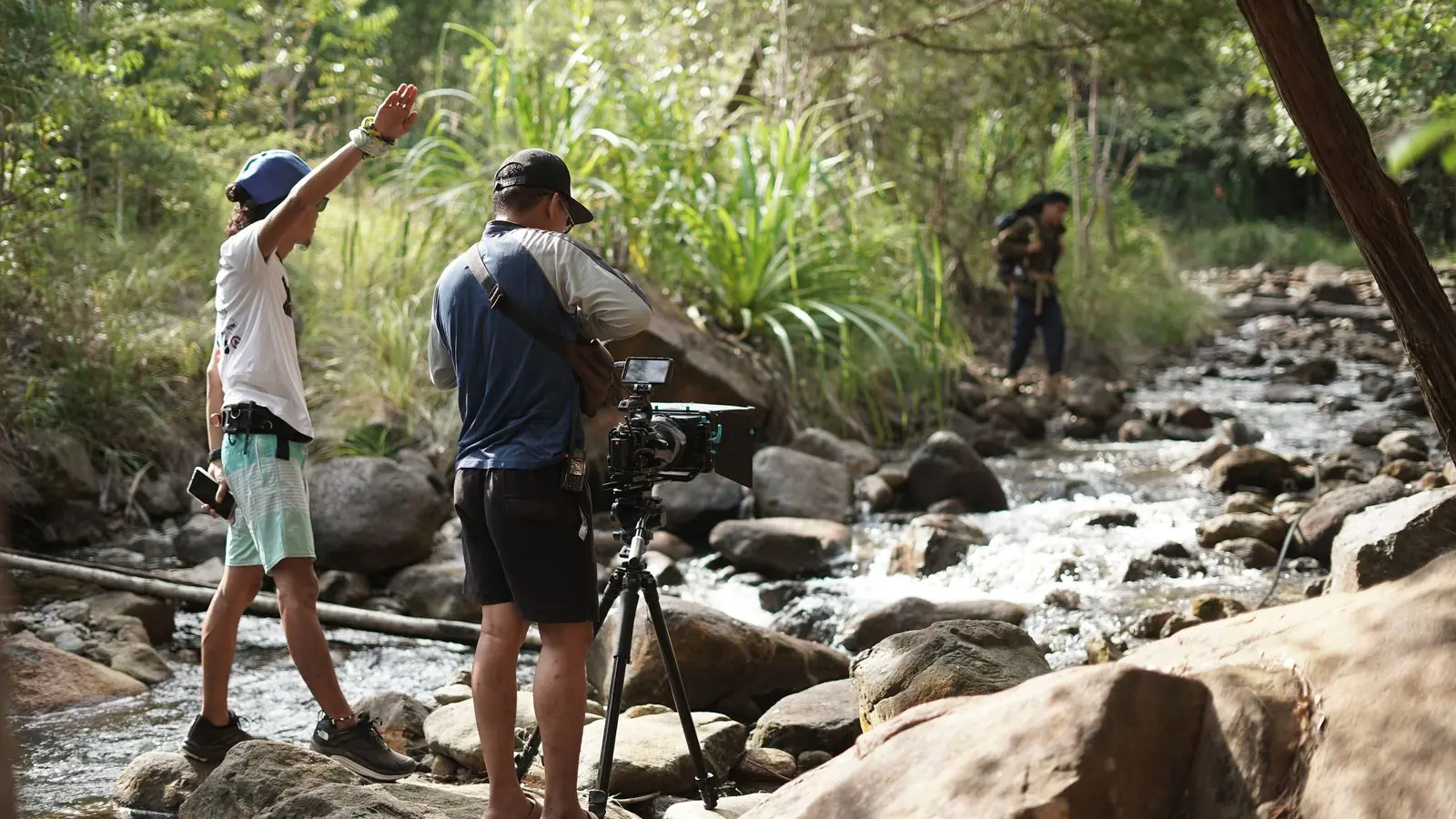
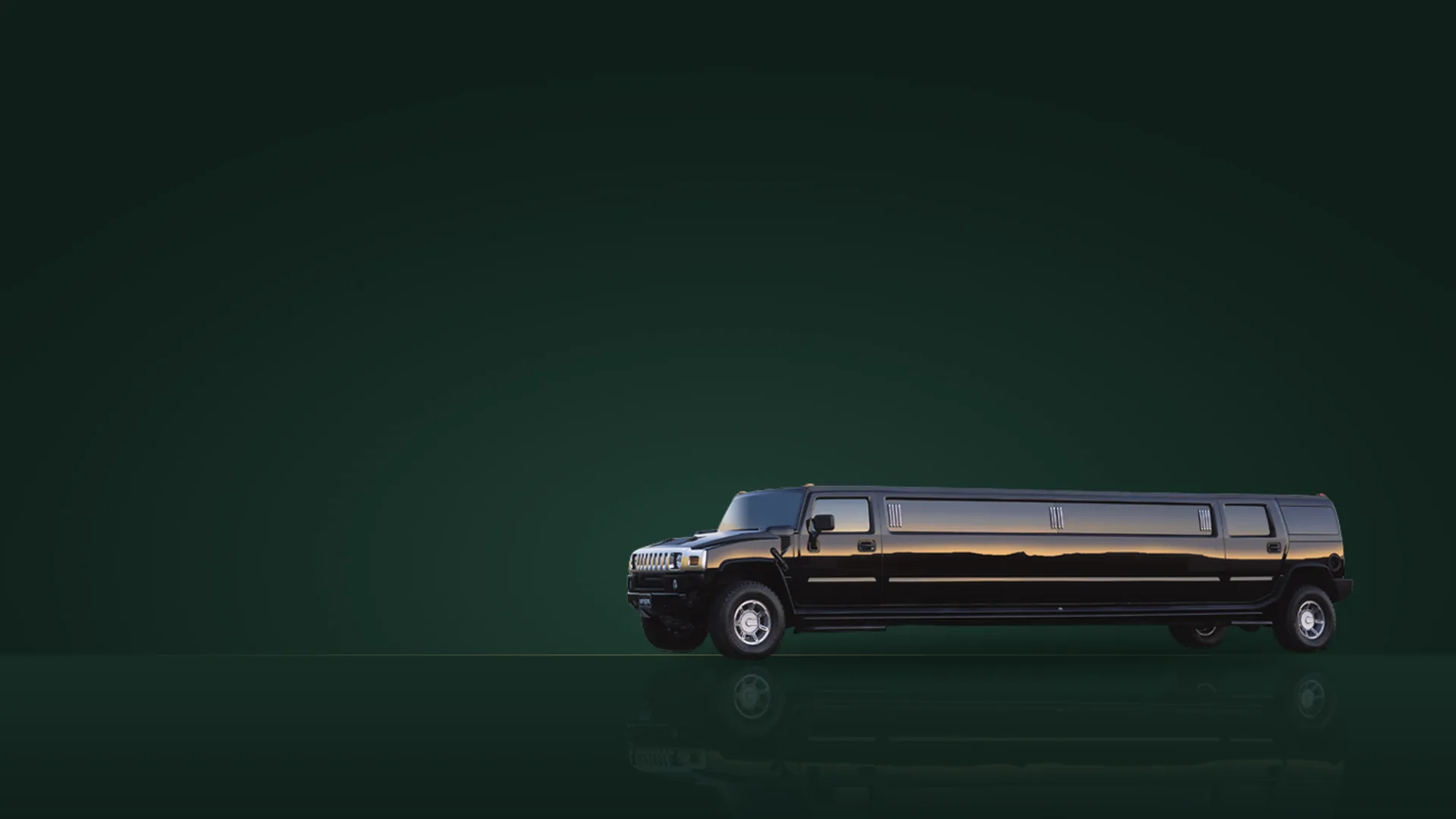

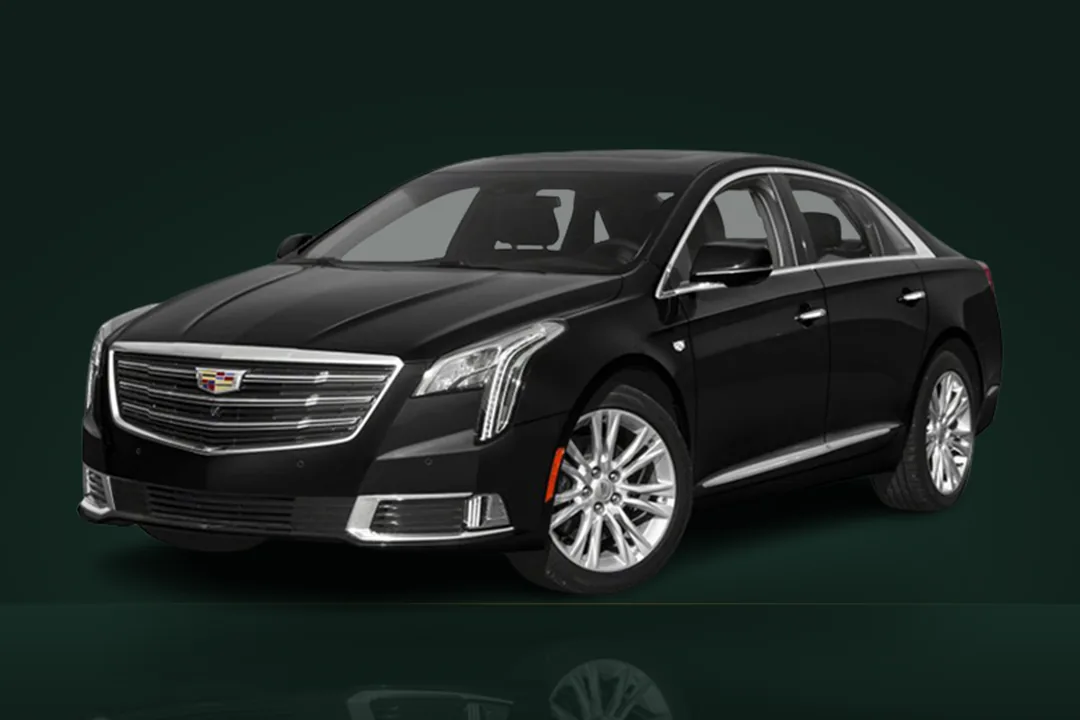



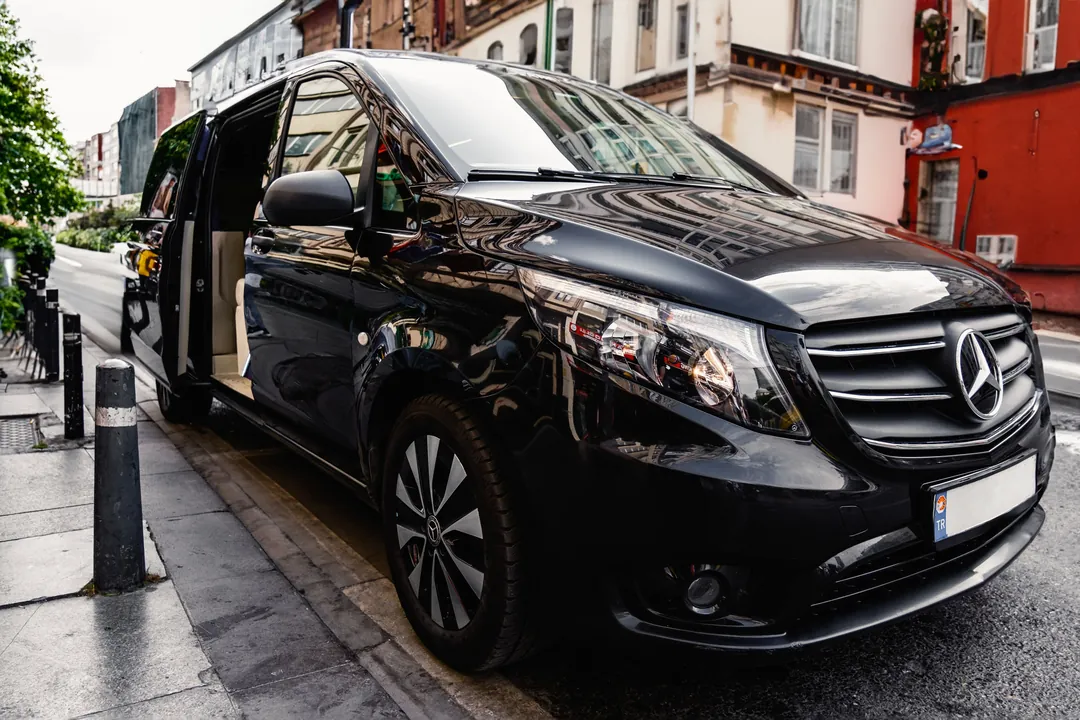

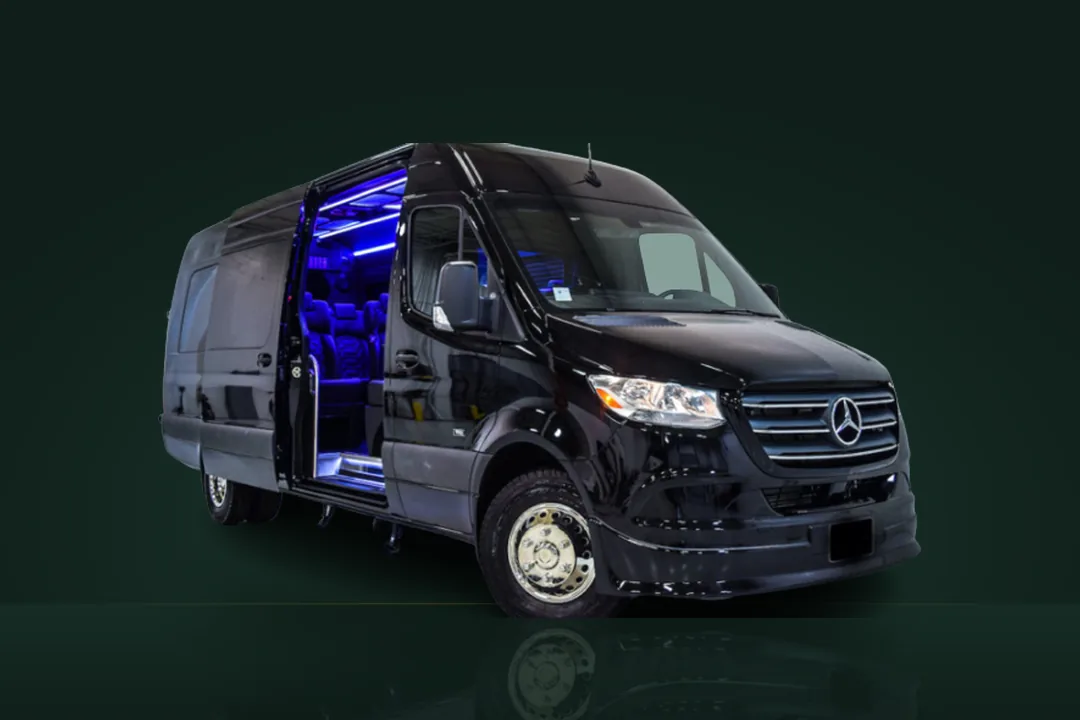
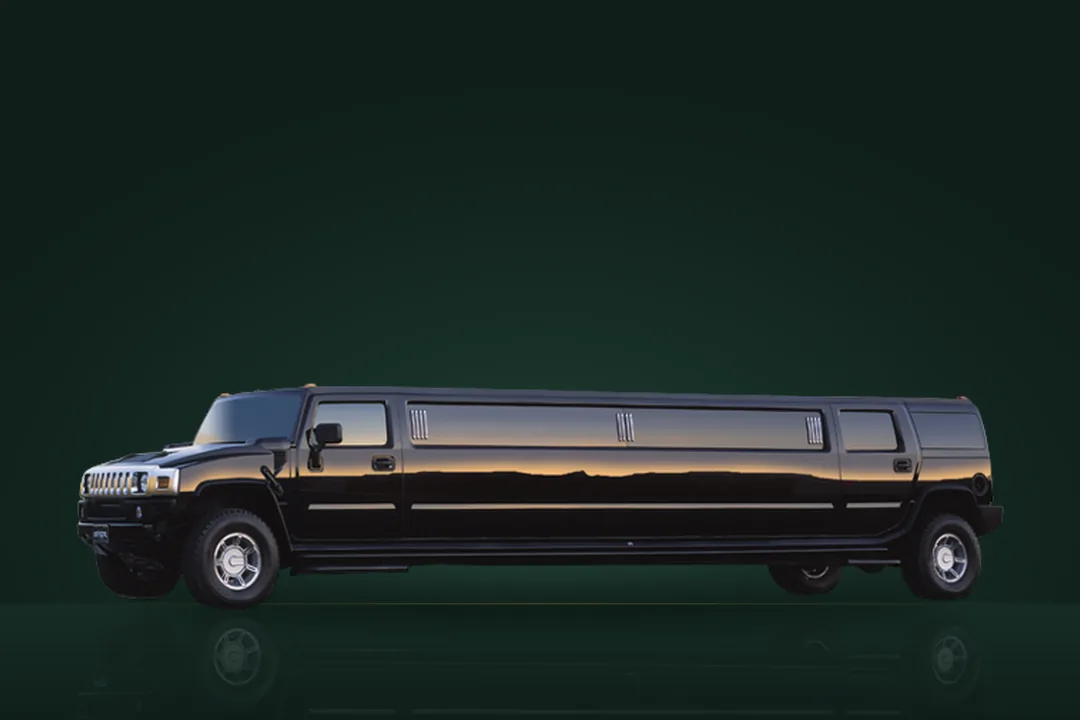

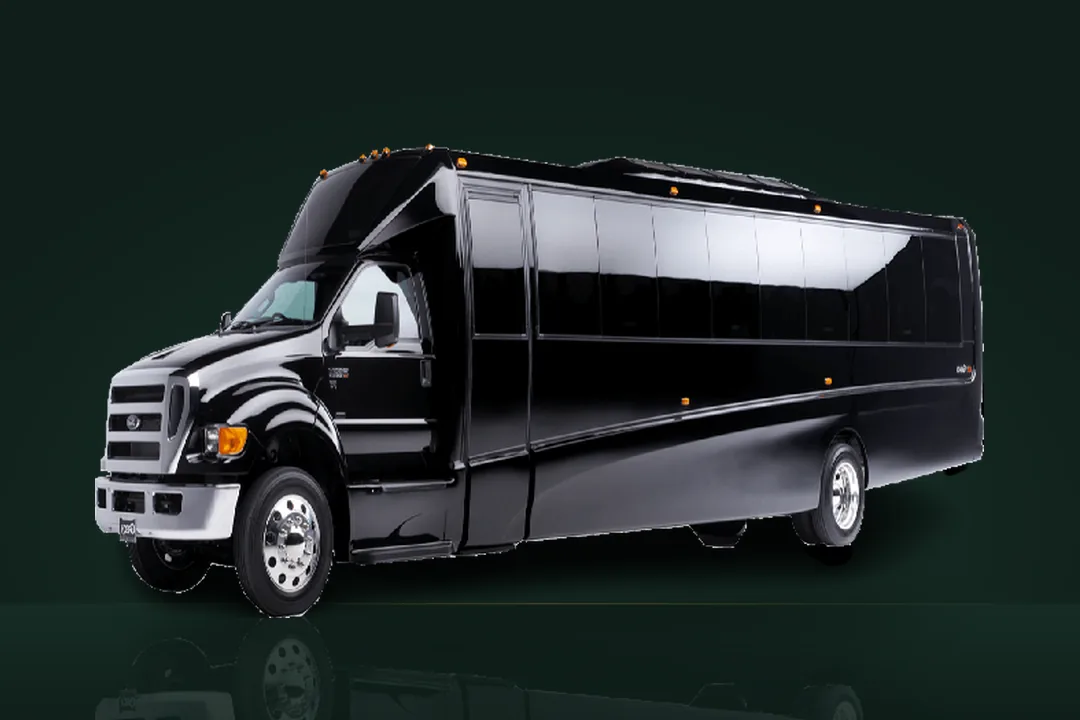




For filming in Muskoka, most crew drive their own cars or production vans, and that is usually the cheapest plan for prep and rigging. Chauffeured cars earn their place for talent, scouts, tech surveys, airport moves and late wraps when nobody should drive a dark lake road: an SUV is $175–200 an hour, a 12-seat Sprinter $475–545, all-in.
What does filming in Muskoka mean for transport?
Distance, mostly. Locations can be an hour apart on two-lane roads, the nearest big airport is two hours south, and crews often stay in Huntsville, Bracebridge or a resort while shooting on a lake or in the Algonquin corridor. Our main page explains how to book film and TV production transport in Muskoka, and single cars can be booked online as soon as the call sheet exists. This post walks through a production's transport needs phase by phase.
We are a passenger transport company. We move people and their personal luggage; camera, grip and electric trucks belong to the production and its rental houses.
How does transport change from scout to wrap?
| Phase | Who travels | What usually works |
|---|---|---|
| Location scout | Director, producer, location manager | One SUV by the hour, a long day |
| Tech survey | Department heads, 8–12 people | A Sprinter by the hour |
| Prep and rigging | Art, construction, grip | Their own vehicles |
| Shoot days | Cast, key crew, crew from the hotel | Sedans and SUVs for cast, Sprinter crew shuttles |
| Wrap | Everyone at once | Airport waves to Pearson |
The scout is where a chauffeur helps most: the location manager can take calls, review photos and mark maps while someone else drives the back roads.
What does a shoot day look like for the transport desk?
An example: a lakeside exterior east of Huntsville, base camp at a resort parking area, crew hotel in town.
| Time | What happens |
|---|---|
| 5:15 a.m. | Crew shuttle leaves the hotel; 20 minutes to base camp |
| 6:00 a.m. | Crew call |
| 6:45 a.m. | Lead actor collected from a cottage rental; quiet car, no small talk |
| 12:30 p.m. | Lunch; the cast car waits by the hour |
| 7:30 p.m. | Wrap called; crew shuttle loops to the hotel |
| 8:15 p.m. | Lead actor back at the cottage |
Call times move. The transport coordinator sends changes to one dispatch contact, and the chauffeurs adjust.
What does it cost per day?
All-in planning ranges; the reservation engine shows the exact fixed fare. Hourly bookings have a 3-hour minimum and extra time runs in 30-minute blocks.
| Vehicle | Per hour | A 10-hour day |
|---|---|---|
| Business sedan (2) | $125–145 | $1,250–1,450 |
| Business SUV (6) | $175–200 | $1,750–2,000 |
| Executive SUV (6) | $225–260 | $2,250–2,600 |
| Executive Sprinter (12) | $475–545 | $4,750–5,450 |
One-way legs: Pearson to Huntsville is about 211 km and 2–2.75 hours, $720–830 in a sedan or $2,150–2,475 in a Sprinter. Algonquin's West Gate is about 43 km and 35–45 minutes from Huntsville, $300–345 in a business SUV.
Which vehicles suit cast, crew and personal gear?
Talent usually rides alone or with an assistant in a sedan or executive SUV; the sedan seats two with two bags, so anyone with wardrobe bags and a case should have an SUV. Crew shuttles suit a Sprinter with luggage space behind the last row. A Jet Sprinter, with lounge chairs and tables for six, works as a quiet room for a director and producers travelling between locations. Larger crew moves can use a partner coach, priced in writing.
How do you move people into Algonquin and the Highway 60 corridor?
Highway 60 runs east from Huntsville through Dwight and Oxtongue Lake to the park's West Gate, and on through the park. On fall-colour weekends it is busy with visitors, and parking at popular access points fills early, so time crew moves accordingly. Park rules, permits and fees are on Ontario Parks' Algonquin page; any permission to film in a provincial park is the production's to arrange. Our Huntsville to Algonquin Park route page covers the drive.
What about gravel roads and cottage-country locations?
Many lake locations sit at the end of private or seasonal roads. Tell dispatch the surface, any steep grades and where vehicles may turn around. A business SUV with four-wheel drive handles most of them; a Sprinter may need to stop at the road's end and let crew walk the last stretch. In spring, some cottage roads have load restrictions and soft shoulders, which the locations team usually knows.
Who handles permits and road use?
The production does. In Huntsville, occupying a Town road allowance needs a road occupancy permit, and neighbouring townships and the District have their own processes. Province-wide help, including an online locations database, comes from Ontario Creates' film commission. Our chauffeurs park and stage where the locations team says, keep engines off for sound when asked and never block a lane.
How do last-minute call changes reach drivers?
Through one channel. Name a transport coordinator, and have that person message dispatch with every change to call times, locations or passengers. Chauffeurs do not take instructions from several people on set, which is how a car ends up at the wrong base camp. Dispatch confirms each change back to the coordinator.
Can the cars handle night shoots and long days?
Yes, with planning. There is no surcharge for night work, and the fare at 3 a.m. is the same as at noon. On very long days a second chauffeur is arranged so the driver is fresh for the drive home, which matters on dark lake roads with deer. In winter our vehicles run on winter tires from November to April, and dispatch watches Ontario 511 and the weather forecast.
How do you keep talent's location private?
Small towns notice film crews, and a recognisable actor at a Main Street coffee shop can draw a crowd within minutes. Discretion starts with the booking: give dispatch the cottage or hotel address and the pickup time, and nothing else the trip does not need. Chauffeurs do not post, photograph or talk about passengers, and they wait with the car rather than in a lobby. If talent travels under another name, tell the dispatcher when you book. For pickups at a busy resort entrance, agree a side door or a quieter spot with the property in advance, and put it in the notes so the chauffeur goes straight there.
Where do cast and crew stay, and how do they get there?
Crews often book blocks of rooms in Huntsville, Bracebridge or a resort, and talent may rent a cottage. Our travel desk with BookingWorldwide.net can help with flights and rooms. Arrival and departure days are usually Pearson waves: group people by landing time and send a Sprinter or SUV per wave rather than one vehicle waiting for everyone.
When is a production better off renting its own vans?
For prep, rigging and most crew moves on a lean budget, self-drive vans with production drivers are cheaper than chauffeured vehicles, and we say so. Chauffeured cars make sense for talent, for scouts and surveys, for the airport and for wrap nights when crew should not drive after a fourteen-hour day. Many productions mix both.
What mistakes do productions make with ground transport in Muskoka?
- Underestimating drive times between lake locations on two-lane roads
- Planning a wrap-day exodus into the Sunday southbound cottage traffic
- Letting several people on set give drivers instructions
- Forgetting that a sedan takes two passengers with two bags
- Leaving the road surface and turnaround off the location notes
How do we book production transport?
Book single cars and day blocks on the reservation engine, with the production name and call times in the notes. For a full shoot, send the transport coordinator's schedule; dispatch builds the plan and partner coaches are priced in writing. Our posts on seasonal crew shuttles and the Jet Sprinter as a boardroom cover related moves, and the Sprinter and group page details the vans.